

The Reality of Moral Conviction:
Understanding Historical Context and True Devotion
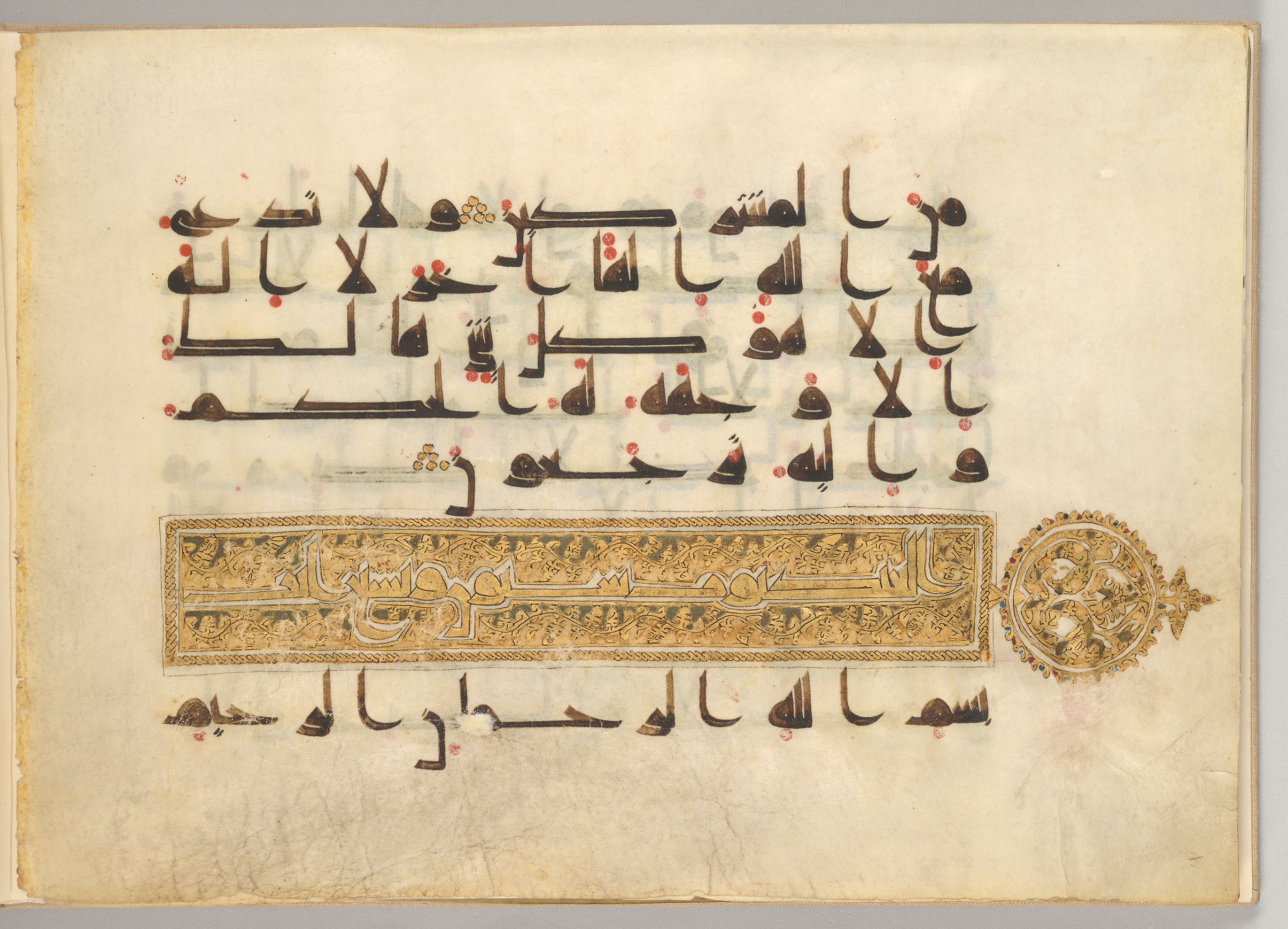
Preserving knowledge across centuries requires standard criteria, strict verification, and an understanding of historical parameters.
My dear brothers, sisters, and truth-seekers, when we look out at our modern world, we often encounter a landscape marked by deep moral confusion. There is a classic saying that rings truer today than ever before: “If you stand for everything, you end up standing for nothing.” True faith, by its very definition, requires boundaries, deep commitments, and a profound reverence for sacred values.
In contemporary conversations, we frequently witness instances where moral baselines appear highly fluid. For example, within various secularized or heavily altered cultural frameworks, actions traditionally classified as major transgressions are easily overlooked throughout the week, only to be followed by routine attendance at places of worship without genuine introspection or structural accountability. When sacred texts explicitly outline clear ethical boundaries, yet those boundaries are casually disregarded, a fundamental question naturally arises for any sincere seeker: What is it that we truly believe in?
1. True Reverence and Sacred Commitments
A striking observation can be made regarding the deep devotion found within the global Muslim community. In many societies, it has become commonplace to see highly provocative messages, parodies, or derogatory statements targeting revered figures—such as a person walking through a major metropolis like London wearing a highly insulting t-shirt about Prophet Jesus (peace be upon him)—with little to no public accountability or collective concern from modern cultural spheres.
However, if a similar attempt to mock or insult the Prophet Muhammad (peace and blessings be upon him) takes place, the global Muslim community expresses profound, unified pain and vocal opposition. This reaction is not out of malice, but is a direct manifestation of deep spiritual devotion. Muslims hold a firm, uncompromising boundary: they respectfully yet firmly refuse to allow their faith, their scriptures, and their holy icons to be turned into objects of casual mockery. This unwavering stance reflects a living faith that actively defends its spiritual principles and preserves historical respect.
“The preservation of moral clarity requires a society to recognize objective boundaries. When everything is secularized, the capacity for sacred reverence is lost.”
— Analytical Insight, IslamQA Methodology
2. Evaluating Historical and Contemporary Parallels
When evaluating marital and societal frameworks across history, we encounter intriguing systemic inconsistencies within modern Western critique. For instance, modern legislative systems express immense concern regarding early marriage structures, yet simultaneously accommodate incredibly high rates of early-age promiscuity and unplanned teen pregnancies. A prominent real-world example recorded in modern British records highlights an eleven-year-old girl giving birth, having become pregnant at age ten (The Sun UK Record Reference).
While traditional texts even for our Christian & Jews friends—including the Ten Commandments (specifically the prohibition of adultery in the 7th Commandment)—unequivocally forbid intimacy outside of legal marriage, contemporary secular structures frequently normalize adolescent intimacy while critiquing historically standardized, legally protected marital practices. This dynamic reveals an underlying logical contradiction in modern critiques of historical events.
3. The Marriage of Mother Aisha: A Neurobiological and Historical Analysis
When addressing the marriage of the Prophet Muhammad (peace and blessings be upon him) to Mother Aisha (may Allah be pleased with her), a qualified neuroscientific and historical approach highlights that analyzing 7th-century events through the lens of modern standards is fundamentally flawed. Let us examine the actual historical and environmental data objectively:
4. Authentic Internal Evidences
To build a rigorous, irrefutable argument, we analyze five established historical facts surrounding this marriage:
- Pre-Existing Social Context: Prior to her engagement to the Prophet (peace and blessings be upon him), Aisha was engaged to Jubayr bin Mut’im bin ‘Adee. This clearly indicates that her readiness for marriage was already recognized within her society according to established traditional customs.
- The Silence of Contemporary Adversaries:
The opponents of early Islam routinely and falsely accused the Prophet (peace and blessings be upon him) of being a poet, a magician, or a madman, just as people reacted toward all of the righteous and noble prophets before him. Had this marriage deviated from normal societal parameters, his fiercest critics would have immediately utilized it as an primary point of public degradation. Yet, no such critique exists in the historical record.
- The Three-Year Intermission: Historical records indicate that the marriage contract was signed when she was six, but consummation was deferred until she reached nine years of age. This deliberate three-year delay strongly refutes any claims of base, impulsive desire, showing instead a careful adherence to physical and cognitive readiness.
- Unparalleled Mutual Affection: The deep affection between the Prophet and Aisha is recorded as one of the most celebrated love stories in history. Aisha expressed continuous joy, healthy emotional devotion, and pride in her unique bond with her husband.
- A Lifelong Legacy of Scholarship: Following the passing of the Messenger (peace and blessings be upon him), who chose to spend his final moments in her company, Aisha remained unmarried, dedicating her life to educating the community. Her immense contributions are fully detailed across authentic collections on Sunnah.com.
In Islam, marriage is not based merely on a specific numerical age, but rather on readiness, maturity, responsibility, and the ability to fulfill marital rights and obligations — physically, mentally, and emotionally. Islamic scholars historically emphasized that a valid and healthy marriage requires the absence of harm and the presence of genuine capability and well-being for both individuals.
Allah says in the Qur’an:
“Test the orphans until they reach marriageable age; then if you perceive in them sound judgment, release their property to them…”
— Surah An-Nisa [4:6]
This verse connects marriageability not only with physical maturity, but also with rushd (sound judgment, mental maturity, and responsible reasoning).
Likewise, the Prophet ﷺ said:
“O young people, whoever among you is able to marry, let him marry…”
— Sahih al-Bukhari & Sahih Muslim
The Arabic word used here is al-ba’ah, which scholars explained as including both physical capability and emotional/financial responsibility.
Therefore, Islam does not encourage harm, coercion, abuse, or irresponsible relationships. Rather, Islamic law aims to preserve dignity, protection, stability, chastity, mercy, and mutual well-being. Scholars throughout Islamic history recognized that readiness differs according to time, environment, health, culture, and individual development.
For this reason, many contemporary Muslim scholars and Muslim countries establish legal marriage regulations and minimum ages to ensure protection, maturity, consent, education, and societal welfare — all of which align with the higher objectives of Islamic law (Maqasid al-Shari‘ah).
Ultimately, a healthy Islamic marriage requires:
• Physical readiness
• Emotional maturity
• Mental soundness
• Mutual consent
• Ability to uphold responsibilities
• Absence of harm and exploitation
And Allah, the Lord of all wisdom and mercy, knows best.
5. Divine Guidance and Chaste Living
Islam commands a balanced framework where personal conduct, high moral chastity, and scientific context harmonize. This is perfectly encapsulated in the clear guidance provided in the Holy Qur’an:
قُلْ إِنَّ صَلَاتِي وَنُسُكِي وَمَحْيَايَ وَمَمَاتِي لِلَّهِ رَبِّ الْعَالَمِينَ
“Say, ‘Indeed, my prayer, my rites of sacrifice, my living and my dying are for Allah, Lord of the worlds.'”
Ultimately, evaluating ancient history requires objective analysis rather than rushes emotionally driven modern assumptions. True chastity and moral clarity remain steadfast despite fluid contemporary standards. Let us proceed with knowledge, wisdom, and open hearts. And Allah, the Lord of all existence, knows best.